How the Right Pressure Makes the Difference in a Great Massage
Massage therapy has been practiced for centuries as a natural way to promote relaxation, support healing, and relieve pain. Whether someone is recovering from an injury, managing chronic discomfort, or simply seeking stress relief, massage remains one of the most effective wellness treatments available. At the heart of every great massage lies one essential element: the right pressure.
A skilled massage therapist understands how to use varying levels of pressure to relax tense muscles, support healing, and deliver an effective Pain Relief Massage. Let’s explore why pressure plays such a vital role in creating a truly beneficial massage experience.
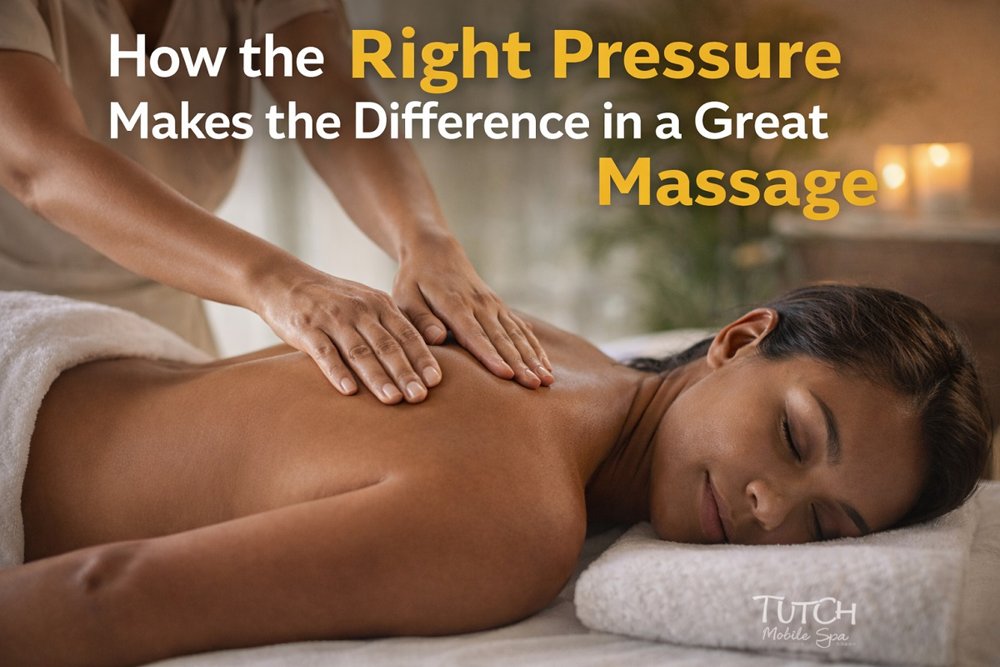
Understanding Pressure in Massage Therapy
Pressure is a key component of any massage session. It allows the therapist to work into muscle tissue, release tension, and address problem areas effectively. The type and amount of pressure used will always depend on the individual needs of the client.
Different pressure levels serve different purposes, including:
- Light pressure
- Gently manipulates soft tissues
- Calms the nervous system
- Ideal for relaxation and stress relief
- Medium to deep pressure
- Targets larger muscle groups like the back and shoulders
- Reduces muscle stiffness and tightness
- Commonly used in Pain Relief Massage
Other massage techniques also rely heavily on pressure to create positive results:
- Joint mobilization
- Improves flexibility and range of motion
- Encourages healthy joint movement
- Increases circulation
- Trigger point therapy
- Focuses on specific areas of muscle tightness
- Uses concentrated pressure and gentle stretching
- Helps release muscle adhesions and spasms
Because every body responds differently, professional massage therapists adjust pressure levels to suit each client. Understanding when you may benefit from a relaxation massage versus a Pain Relief Massage can help you get the most from your session.
The Power of Pressure for Pain Relief and Relaxation
For individuals dealing with chronic pain, muscle tension, or limited mobility, firmer pressure plays a vital role in Pain Relief Massage. Deep massage techniques help the body recover by:
- Breaking down scar tissue
- Releasing stubborn muscle knots
- Improving blood flow
- Supporting long-term pain relief
That said, not everyone needs or enjoys deep pressure. Gentle massage techniques using lighter pressure can still provide powerful benefits, such as:
- Reducing stress and anxiety
- Promoting relaxation
- Relieving mild muscle tension
- Improving overall well-being
Swedish massage is a popular option that combines flowing strokes with rhythmic pressure. It offers both relaxation and therapeutic benefits by improving circulation and easing muscle tension.
Why the Right Pressure Makes All the Difference
A great massage therapist understands that Pain Relief Massage is not about applying the hardest pressure possible—it’s about applying the right pressure at the right time. Skilled therapists continuously adjust their technique based on the client’s comfort level, feedback, and wellness goals to ensure the best possible results.
In conclusion, pressure plays a crucial role in massage therapy. While the phrase “no pain, no gain” is often joked about, a quality Pain Relief Massage should never feel painful. When the right amount of pressure is applied with care and expertise, massage therapy can reduce stress, improve mobility, ease muscle and joint pain, and leave you feeling relaxed, refreshed, and truly rejuvenated.


Comments
Post a Comment